
Garden Landscaping Ideas for Barnet Homes: From Small Gardens to Spacious Plots
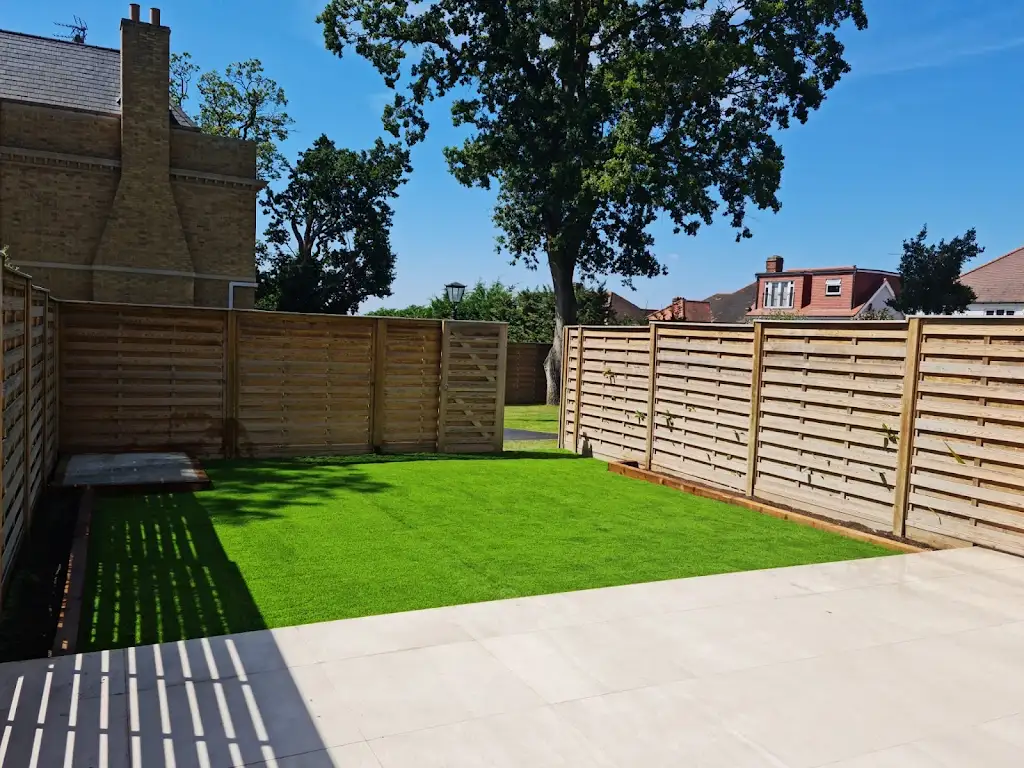
A garden is not simply an outdoor area to be glanced at from the kitchen window. It is a vital extension of the home—a space for relaxation, family life, and personal expression. In Barnet, where architecture ranges from compact townhouses to expansive detached properties, landscaping becomes the key to unlocking the full potential of outdoor living. Done well, a garden becomes more than decoration; it turns into a sanctuary, a stage for seasonal change, and a reflection of the homeowner’s personality.
Barnet’s Climate and Soil
Barnet enjoys a temperate climate with mild winters and warm summers. This creates a forgiving environment for a wide variety of plants. However, soil conditions vary.
Some plots have heavy clay, which holds water but can suffocate roots. Others sit on sandier ground, which drains quickly but dries out fast. Adding organic matter like compost or leaf mould improves both extremes—helping retain water where soil is loose and easing compaction where it is heavy.
Urban Barnet often features narrow side gardens, slim backyards, or paved courtyards. In contrast, suburban areas boast larger lawns and wide front drives. This contrast makes flexible landscaping ideas essential—what works in a pocket courtyard may look lost in a half-acre lawn.
Small Garden Strategies
Playing with perspective
One of the most effective tricks in a small garden is manipulating how space is perceived. A carefully placed mirror creates the illusion of depth, while a staggered level—such as a raised terrace or step—leads the eye upward. Even a small arched trellis framing a view to a climbing rose can suggest a hidden area beyond, making the garden feel larger than it is.
Vertical planting
When floor space is limited, walls, fences, and even balcony railings become opportunities. Vertical planting systems—modular green walls, tall trellises, or hanging planters—transform bare boundaries into living canvases. Herbs like basil and thyme thrive in wall planters, while clematis or climbing roses soften fencing.
Multifunctional design
In a small garden, every feature must earn its keep. Fold-down tables provide dining space without crowding. Benches with storage beneath hide away tools and cushions. Screening bins with trellis and climbing ivy ensures practical items blend into the garden rather than disrupt its mood.
Medium and Large Gardens
Garden rooms
In larger plots, a single open lawn often feels flat and monotonous. Dividing the space into “rooms” creates intrigue. A dining terrace near the house, a play lawn in the middle, and a secluded seating corner at the far end can transform a featureless square into a sequence of experiences. Hedges, pergolas, or low walls act as subtle dividers.
Get an outbuilding installed at your Barnet home.
Hard landscaping for definition
Materials ground the design. A paved stone terrace feels formal and permanent, while a timber deck adds warmth. Raised beds define planting zones while making gardening physically easier. Gravel paths encourage informal movement, crunching pleasantly underfoot. Using several materials together—stone for the terrace, gravel for paths, timber for borders—creates both definition and variety.
Speak to our team of expert garden landscapers in Barnet.
Pathways and levels
Curving paths encourage exploration, making the garden appear deeper than it is. Gentle changes in level—such as a sunken seating area or steps leading to a higher lawn—add drama and rhythm. These features also help with drainage in gardens prone to waterlogging.
The Planting Palette: Choosing with Purpose
Native and climate-suited plants
Plants that are adapted to Barnet’s conditions reduce maintenance and water use. Lavender thrives in sunny spots and brings fragrance. Hardy grasses such as Stipa gigantea sway gracefully in breezes. Evergreen shrubs like bay or holly provide winter structure.
Layering for structure
Good planting follows a rhythm of heights and textures. Tall trees or shrubs form the backbone. Medium perennials—such as salvias, echinacea, or rudbeckia—add seasonal colour. Groundcover plants like thyme or creeping Jenny knit the soil together, suppressing weeds.
Adding character with edibles and flowers
Cottage-style gardens are popular for their charm. Herbs like rosemary, mint, and chives combine beauty with usefulness. Marigolds and calendula not only add cheerful colour but also attract pollinators. Even a few espaliered fruit trees against a fence can yield apples or pears without consuming space.
Garden Features That Elevate Design
Water
Water instantly changes the atmosphere. A reflective bowl mirrors the sky. A bubbling fountain masks city noise with soothing sound. A small pond encourages wildlife, from dragonflies to frogs, enriching biodiversity.
Architectural accents
Boundaries need not be dull. A painted fence in soft grey or sage green recedes visually, making a garden feel larger. Decorative screens cast patterned shadows across patios. Trellises support climbers while adding vertical geometry.
Formal flourishes
For a traditional touch, knot gardens with low box hedges provide symmetry. Alternatively, topiary—yew clipped into spheres or spirals—adds sculptural impact, standing strong through winter when other plants fade.
Colour, Material, and Texture Harmony
Linking materials creates continuity. For example, using the same stone for both patio and stepping stones makes the garden flow naturally. Contrasts should be deliberate: sleek metal furniture against rustic timber decking creates energy.
Dark or bright fence colours can shrink a space. Softer tones—sage, muted grey, warm taupe—blend with foliage and extend the view.
Gardens thrive on contrast: the crunch of gravel underfoot, the smooth surface of stone, the rough bark of trees, the softness of ornamental grass. Together, these layers create a tactile landscape that feels alive.
Sustainability and Easy Maintenance
Water efficiency
Rainwater butts capture roof runoff, reducing reliance on mains water. Self-watering planters save time during hot spells. Permeable paving allows rain to soak into soil rather than overwhelm drains.
Read More: Watering Plants During a Heat Wave: What You Need to Know
Planting strategies
Grouping pots reduces evaporation. Mulching around shrubs keeps roots cool and moist, while cutting down on weeds. Drought-tolerant species like sedums or Mediterranean herbs reduce summer watering needs.
Supporting wildlife
Native hedges provide nesting sites for birds. Wildflower patches feed pollinators such as bees and butterflies. Even a pile of logs tucked into a corner becomes a habitat for beetles and hedgehogs.
Ready to Transform Your Barnet Garden?
Whether you have a compact courtyard or a sprawling lawn, GardenLine specialises in creating landscapes that truly enhance your home. From tailored planting schemes to full garden redesigns, our team brings expertise, creativity, and a passion for outdoor living.
Call GardenLine today to arrange your free consultation and discover how we can turn your garden into a beautiful, practical, and sustainable space.

