
11 Summer Garden Maintenance Tips
Summer is the crescendo of the gardening year—a time when flowerbeds burst with vibrant colour, fruits ripen under golden sunlight, and the air hums with pollinators at work. With nature in full display, gardeners find both joy and responsibility in nurturing their green spaces.
Whether cultivating a few pots on a balcony or tending an expansive backyard, understanding the nuances of summer gardening can transform the experience into a season-long success. If you need some help making the most of your garden this summer, book a free site survey with GardenLine.
Pruning with Purpose
Perennials can quickly become weary from their vigorous early-summer performance. To maintain their vitality, a strategic trim is essential. The “Hampton Court Hack,” a method practised by seasoned horticulturists in July, involves cutting back plant shoots by about a third. This stimulates fresh growth and extends the flowering window, ensuring that borders remain lush and lively well into late summer.
Deadheading
Removing spent blooms—known as deadheading—is more than cosmetic. It redirects a plant’s energy away from seed production and toward new blossoms.
Regular deadheading can keep your garden in continuous colour, especially for bedding plants like marigolds and petunias. However, selectively allow some blooms to set seed for ornamental seedheads or to feed wildlife, striking a balance between aesthetics and ecology.
Water Wisely
Morning and Evening Watering
The heat of the midday sun can cause water to evaporate before it reaches the roots. To maximise absorption, water your garden during the early morning or in the evening. This timing reduces evaporation and allows plants to hydrate before or after enduring the heat.
Deep Soak vs. Surface Sprinkling
Superficial watering encourages shallow rooting, leaving plants vulnerable during droughts. Instead, aim for a deep soak that penetrates the soil, prompting roots to grow deeper. Healthy soil rich in organic matter and covered with mulch retains moisture more effectively, minimising the need for constant watering.
Digging Discipline
Excessive digging in parched soil can be detrimental. It disturbs the structure, accelerates moisture loss, and disrupts the intricate network of roots and soil organisms. Instead of turning the earth, focus on surface-level maintenance—add compost, top up mulches, and let the soil rest.
Lawn Care Wisdom
Habitat for Wildlife
The instinct to maintain a manicured lawn can inadvertently erase habitats. Allowing the grass to grow longer, especially at the edges, supports a hidden universe of insects and birds. These uncut patches become ecological oases, buzzing with life.
Proper Mowing Practices
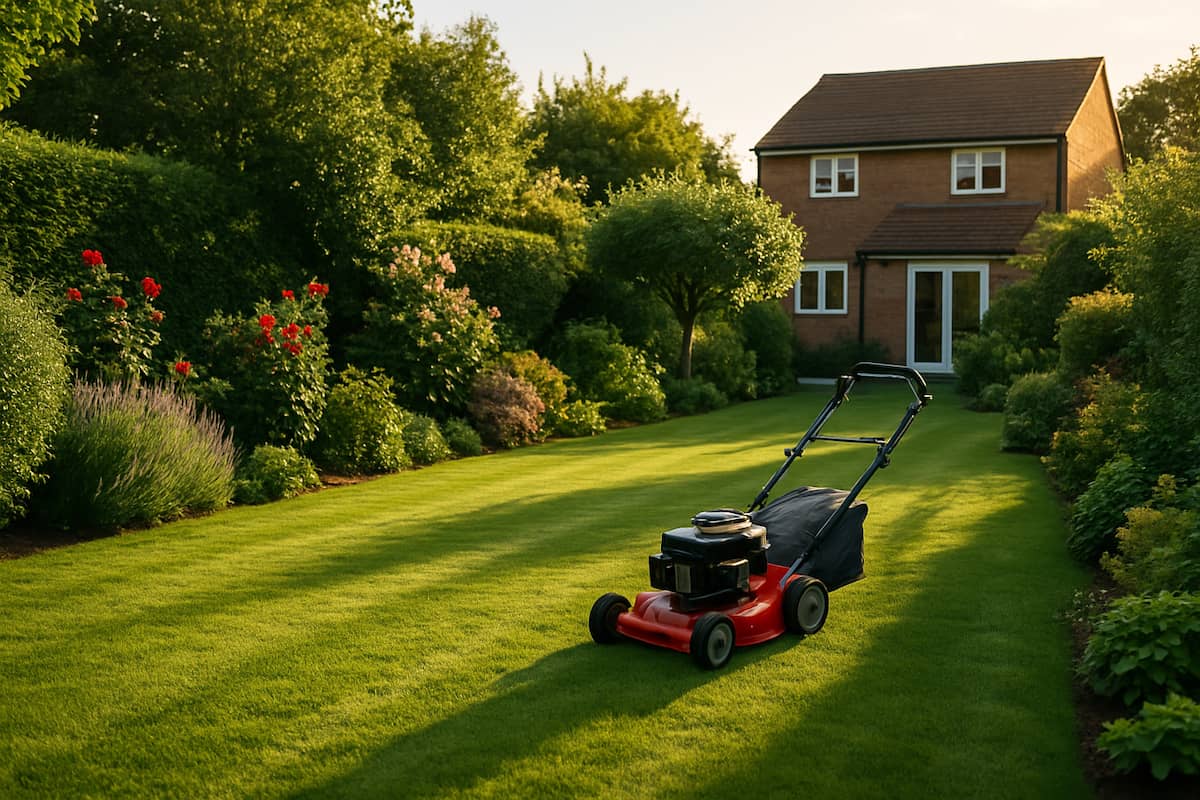
Mow sparingly—no more than once a week—and raise your blade to avoid scalping the grass. Longer blades of grass retain moisture better, reduce sunburn, and withstand foot traffic from summer activities.
Feeding and Hydrating Container Plants
Container-grown plants are more susceptible to drying out, especially in heat waves. Test compost moisture with your finger daily and water as needed. Regular hydration, however, leaches nutrients, so supplement with a high-potash feed to sustain blooming and fruiting. This routine becomes vital for fuchsias, geraniums, and tomatoes housed in pots and planters.
Planting Autumn Bulbs
Late summer is an opportune time to bury treasures for autumn. Bulbs like cyclamens, colchicums, and dahlias need this head start to establish roots before blooming. Choose a well-drained, sunny spot and plant at the depth indicated for each bulb variety. These efforts now will yield vivid colour when most of the garden starts to fade.
Propagation
Summer is propagation season. Softwood cuttings from plants such as pelargoniums, fuchsias, and marguerites root readily in warm, moist conditions. Later in the season, semi-ripe cuttings can be taken from shrubs.
Harvesting and Protecting Summer Crops
Summer Fruits and Vegetables
The garden is a veritable cornucopia in summer. Tomatoes, runner beans, courgettes, and plums are ready for harvest. Picking regularly encourages more produce. Root vegetables like potatoes and garlic signal readiness when their leaves yellow and fall over.
Pest and Disease Management
Be vigilant against threats like blight on tomatoes or caterpillars on brassicas. Remove infected foliage promptly. Protect berries with netting to deter birds, and inspect for butterfly eggs that hatch into voracious larvae.
Wildlife in the Garden
In high summer, wildlife needs support. Fill bird baths daily, top up feeders, and leave meat-based food for foraging hedgehogs. Insects such as leaf-cutter bees thrive in insect hotels with open tubes. Meanwhile, nectar-rich plants like echinacea and buddleia sustain pollinators throughout the season.
Planning for Next Year’s Blooms
Summer is also a season for forward-thinking. Start browsing seed catalogues and garden centres for spring bulb ideas. Consider colour schemes, succession planting, and areas needing improvement. Planning now sets the stage for a spectacular show when winter wanes.
Book Your Garden Maintenance in Barnet
A successful summer garden is the result of attentive care, timely action, and a respect for nature’s rhythms. By booking a professional gardener in Barnet, you are using the experience of our passionate gardeners at GardenLine.

